If you’ve tried counting calories and grinding through cardio only to watch the weight creep back on, you’re not lacking willpower — you’re missing the root cause. Modern medicine is catching up here too: the World Health Organization now classifies obesity as a chronic, complex disease, not a personal failing, one linked to higher risk of type 2 diabetes, heart disease, joint problems, and hormonal imbalance if left unaddressed (WHO obesity fact sheet).
Ayurveda has called this condition Sthoulya, or Medoroga, for centuries, and its answer was never “just eat less.” Obesity treatment in Ayurveda starts with your Agni — your digestive fire — and the plan looks completely different depending on your Prakriti, or constitution. Classical texts like the Charaka Samhita point specifically to aggravated Kapha dosha as the usual driver, since Kapha governs the body’s heavy, dense, cooling qualities. That’s a very different starting point than a calorie spreadsheet.
The Real Root Cause: Agni, Ama, and Blocked Fat Channels
When Agni weakens, food isn’t broken down properly.
What remains is Ama, a sticky waste product that blocks the body’s fat-processing channels (Meda Dhatu Srotas).As a result, the body continues to store fat even when muscles and bones are not properly supplied with nutrients.This is the real reason you might feel heavy and tired at the same time—your body isn’t overfed, but your metabolism is not working correctly.
Before starting any treatment, it’s a good idea to get a basic measurement, such as BMI or waist size, from your doctor.
This helps you start with actual numbers instead of just feelings.
Your Body Type Changes the Fix
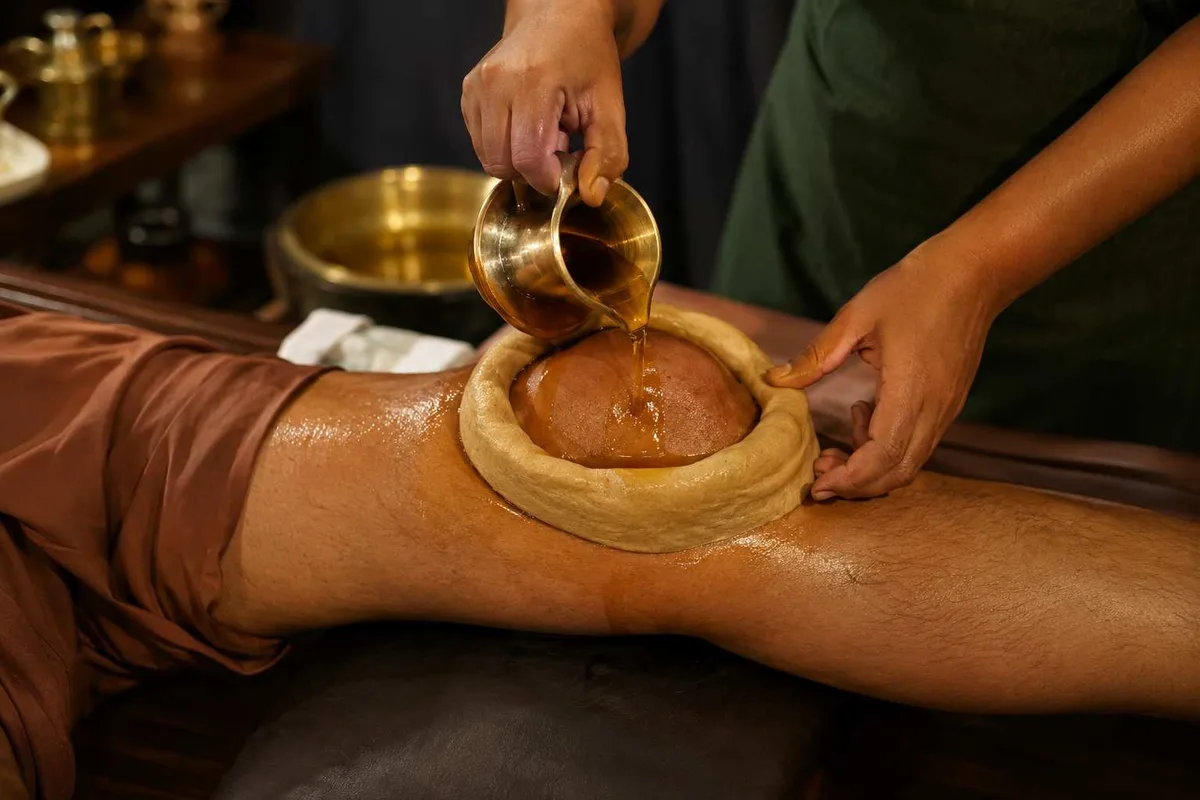
Kapha types (the slow burners) deal with fluid retention and sluggish metabolism. Favor pungent, bitter foods, skip cold drinks and dairy, and move vigorously — a structured Panchakarma Detox Programme speeds this up considerably, particularly therapies like Udvartana, a vigorous dry herbal powder massage that breaks down subcutaneous fat.
Pitta types (the stress burners) tend to eat in response to stress and inflammation. Cooling foods, less spice, and consistent Stress & Anxiety support often matter as much as any diet change.
Vata types (the variable burners) struggle with irregular digestion and anxious eating. Warm, grounding meals on a fixed schedule calm this pattern faster than any single food swap ever will.
Herbs That Actually Do Something
Most articles just list Triphala and Guggulu and move on. Here’s what actually matters:
- Triphala — take at night with warm water to gently clear Ama while you sleep.
- Guggulu — has a property called Lekhana: it “scrapes” fat from deep tissue. Take it under supervision, especially if you have a thyroid condition.
- Ginger — fresh or as tea, 15 minutes before meals, to reignite Agni before you eat.
And never add honey to hot water — Ayurveda considers heated honey toxic, a detail almost no one mentions.
A Realistic Daily Routine
Make lunch your largest meal, since Agni naturally peaks at midday — dinner can stay light and soupy instead of heavy. Walk for fifteen minutes after eating; it’s a small habit that blunts the sluggishness most people blame on “just getting older.” Add a short Sun Salutation sequence in the morning if you can spare ten minutes. Sleep by 10 p.m., since late nights aggravate Kapha and blunt your body’s overnight detox process. None of this requires a 4 a.m. wake-up or quitting your job — just reordering the day you already have.
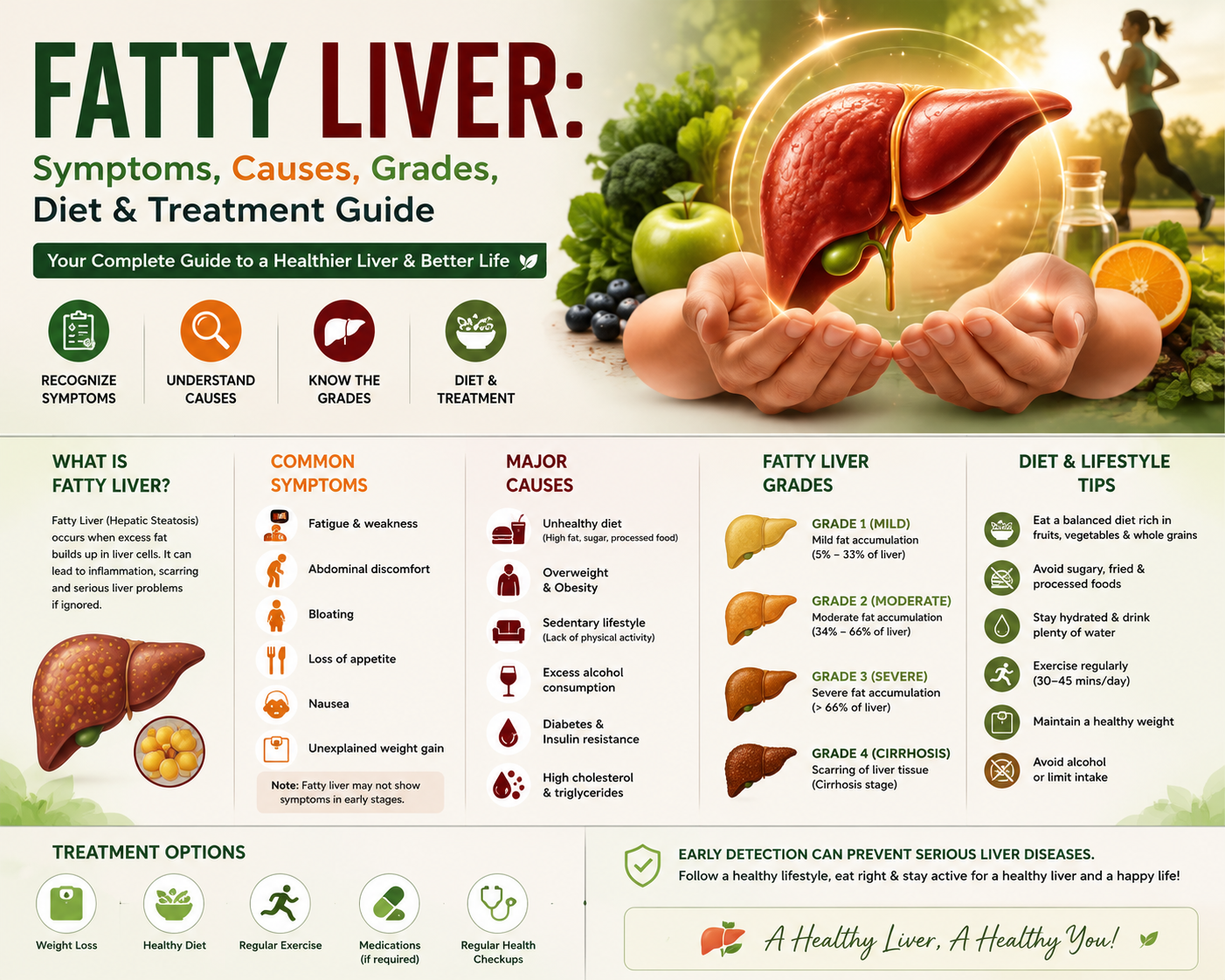
If long-term weight gain has you concerned about deeper metabolic issues, it’s worth having your liver health and gut function checked too, since both are commonly affected alongside sustained weight gain.
Frequently Asked Questions